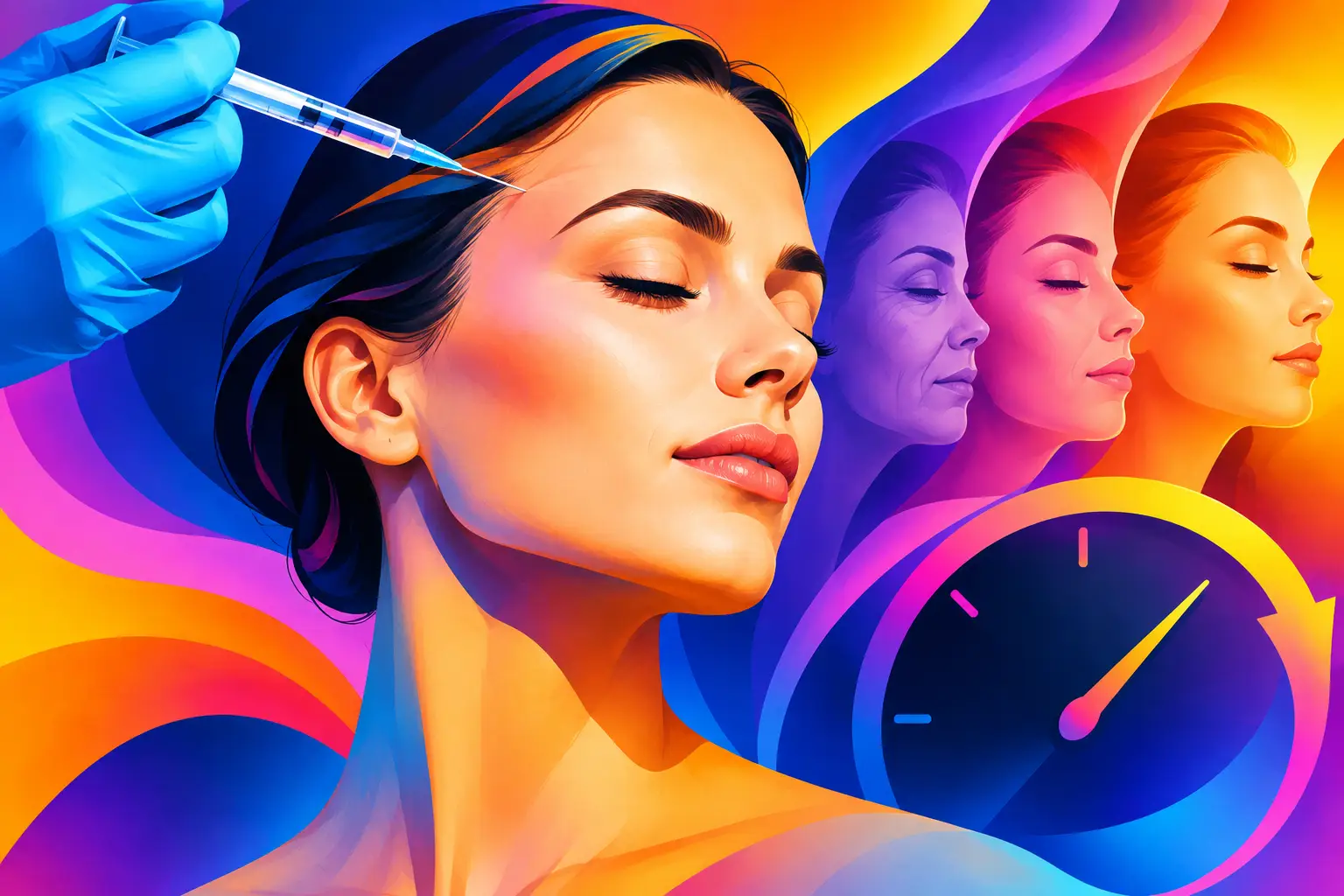
You may leave your Botox appointment looking much the same as when you arrived, then find yourself checking the mirror the next morning. That is completely normal. If you are wondering when does Botox start working, the short answer is that early changes can begin within a few days, while your full result usually develops over 10 to 14 days.
Botox is not a treatment that creates an instant, frozen-looking change. When placed thoughtfully, it gradually relaxes selected facial muscles so the skin above them appears smoother and more rested. The goal is simple: reveal a refreshed version of you while preserving natural expression.
When Does Botox Start Working After Treatment?
Many patients notice the first signs of Botox working about 24 to 72 hours after their appointment. A line that normally appears when you frown, raise your brows, or squint may start to look softer. For others, especially those new to treatment, the change may be subtle at first.
Most visible improvement appears around days 3 through 7. By day 10 to 14, Botox has typically reached its full effect. This is why experienced injectors generally recommend waiting two full weeks before deciding whether you need an adjustment.
The timeline varies because Botox works beneath the surface. It temporarily reduces the nerve signals that tell a targeted muscle to contract. As that muscle relaxes, repeated movement-related lines – often called dynamic wrinkles – become less pronounced.
A typical Botox timeline
On the day of treatment, you may have small raised spots, mild redness, or tenderness at the injection sites. These usually resolve quickly. Do not expect wrinkle reduction that same day.
During days 1 to 3, the medication is beginning to take effect, though you may not yet see a meaningful cosmetic change. Between days 3 and 7, many patients notice smoother movement in treated areas. At days 10 to 14, results are generally fully developed and ready to evaluate.
If you have a wedding, reunion, professional photos, or another important event, schedule Botox at least two weeks ahead. Three to four weeks provides an even more comfortable buffer if it is your first treatment or if you want time for a follow-up evaluation.
What Areas Respond First?
Timing can feel slightly different from one facial area to another. Botox is commonly used for forehead lines, frown lines between the brows, and crow’s feet around the eyes. Some patients feel their frown lines ease first, while others notice a quicker change around the eyes.
The appearance of your results also depends on the line itself. A wrinkle that only appears when your face moves may smooth out dramatically once the muscle relaxes. A line that remains visible while your face is at rest may improve, but it can take repeated treatments, good skin care, or complementary treatments to soften it further.
That distinction matters. Botox treats the muscle movement contributing to the line. It does not replace lost facial volume, resurface texture, or erase every etched-in crease in one visit. A personalized plan may combine Botox with skin rejuvenation, medical-grade skin care, peels, or filler when those options better match your goals.
Why Botox Results Differ From Person to Person
There is no single Botox timeline that applies perfectly to everyone. Your metabolism, muscle strength, treatment history, dose, and the area being treated all influence how quickly you notice a change and how long it lasts.
People with stronger facial muscles may need a carefully adjusted dose to achieve balanced relaxation. First-time patients may need an injector to learn how their muscles respond before fine-tuning future appointments. The goal is not to use more product than necessary. It is to use the right amount in the right place for a smooth, natural-looking outcome.
Injector technique matters, too. Facial anatomy is highly individual. Precise placement helps preserve the expressions that make you look like yourself while reducing the movements that create unwanted lines. Choosing a physician-supervised clinic provides an added layer of clinical judgment, especially when you want subtle results rather than an overdone appearance.
How Long Does Botox Last Once It Kicks In?
For most patients, Botox results last about three to four months. You may notice movement gradually returning near the end of that window, followed by the reappearance of dynamic lines. This happens slowly, not overnight.
Regular maintenance can help you stay ahead of deeper expression lines. Some patients prefer to schedule treatments every three months, while others can comfortably wait closer to four months. The best schedule depends on your anatomy, desired look, and how your body responds.
It is worth avoiding the temptation to schedule too soon simply because you are watching closely for every small change. Your provider should evaluate your movement, symmetry, and treatment goals rather than relying on a one-size-fits-all calendar.
What to Do After Botox for the Best Experience
Aftercare is usually straightforward, but it supports a comfortable recovery. Follow the specific instructions from your injector, since recommendations may vary based on the areas treated and your health history.
For the rest of the day, avoid rubbing or massaging the treated areas unless your provider directs you otherwise. Stay upright for several hours, and postpone strenuous exercise, excessive heat, and activities that create heavy sweating until you have been cleared to resume them. It is also wise to avoid facials, facial massage, and tight headwear that presses on treatment areas immediately afterward.
If you have minor redness or swelling, a cool compress may help. Makeup can often be applied later that day, but use a gentle touch. If you develop concerning symptoms, such as significant swelling, weakness outside the intended treatment area, vision changes, trouble breathing, swallowing, or speaking, seek urgent medical attention and contact your treating provider.
When Should You Contact Your Provider?
A two-week follow-up point is helpful because Botox needs time to settle into its full result. If you still have more movement than expected after 14 days, or if you notice asymmetry that concerns you, contact your provider for guidance. Do not try to correct a result by seeking additional injections elsewhere without a proper assessment.
Before treatment, share your full medical history, medications, allergies, and any prior experience with Botox or other injectables. Botox may not be appropriate for everyone, including people who are pregnant or breastfeeding, have certain neurologic conditions, or have an infection at the intended injection site. A qualified medical professional can help determine whether treatment is right for you.
Natural Results Are Worth the Wait
The best Botox results do not announce themselves. Friends may say you look rested, less stressed, or refreshed without being able to identify why. That is often the sign of a customized treatment plan that respects your unique features instead of chasing a trend.
At Advanced Skin & Weight Loss, physician-supervised aesthetic care begins with listening to what you see in the mirror and what you want to preserve. A complimentary consultation can help you plan treatment around your goals and calendar, so you can move forward feeling informed, comfortable, and confident in a result that still looks like you.