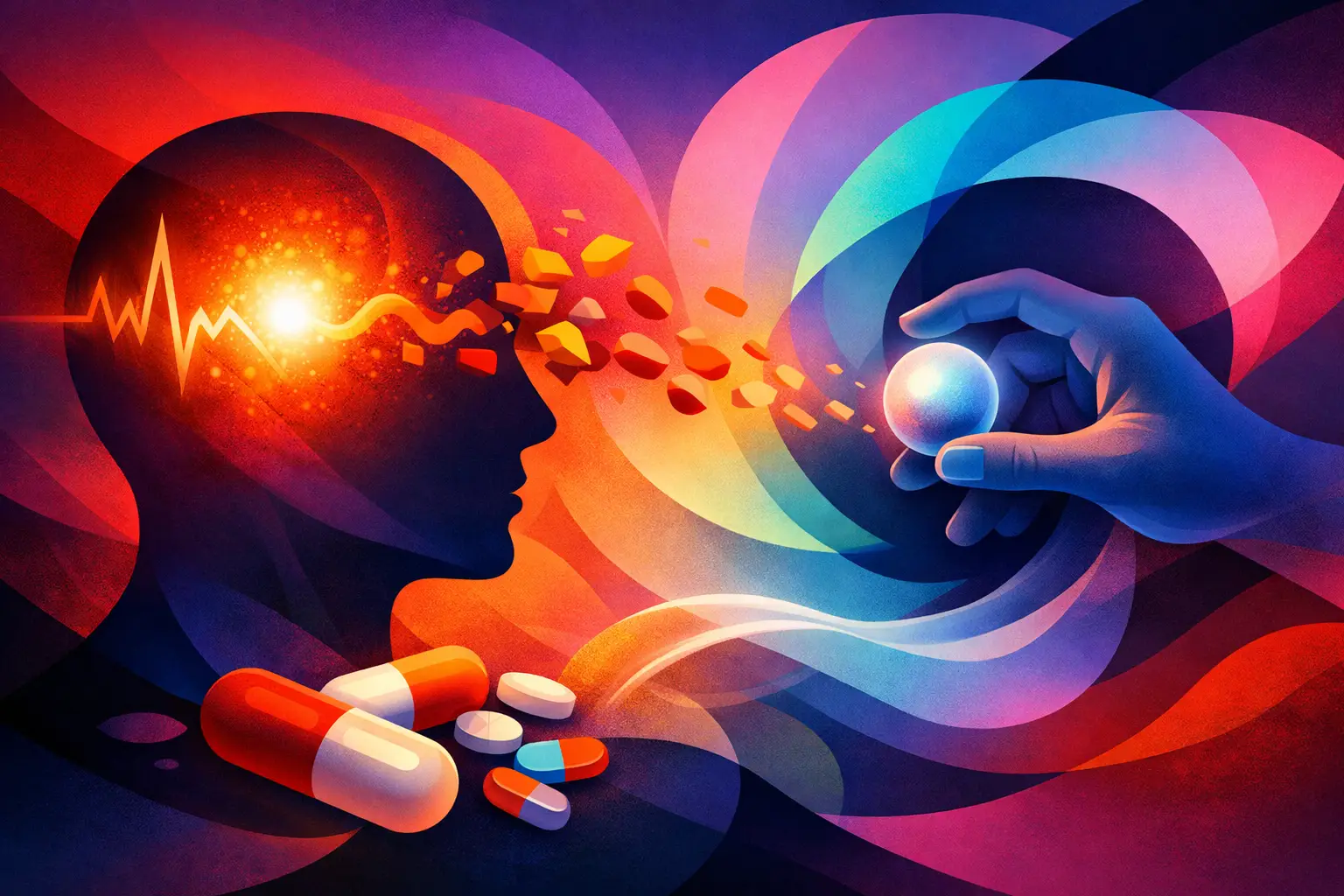
A craving can feel urgent, physical, and impossible to think past. For someone recovering from opioid use, the best solutions for opioid cravings are not about willpower or simply waiting for the feeling to pass. They are about creating a physician-supervised plan that reduces withdrawal, supports the brain and body, and gives you practical protection during difficult moments.
Opioid cravings are a normal part of recovery, especially early on or during periods of stress, pain, poor sleep, isolation, or exposure to familiar triggers. They do not mean that treatment is failing or that you have done something wrong. They are a signal that your recovery plan may need more support, adjustment, or consistency.
Why opioid cravings need medical support
Opioids affect the brain systems involved in relief, reward, and stress. When opioid use stops, the body needs time to recalibrate. Cravings can arrive with anxiety, restlessness, sweating, nausea, muscle aches, insomnia, or a powerful sense that using again is the only way to feel normal.
Trying to manage this alone can increase the risk of relapse and overdose. Tolerance can decrease quickly after a period without opioids, which means a previously familiar amount can become dangerous. A medically guided treatment plan addresses cravings while also helping you protect your health and build a more stable daily life.
Best solutions for opioid cravings: medication-assisted treatment
For many people, medication-assisted treatment, often called MAT, is the most effective foundation for managing opioid cravings. This approach combines FDA-approved medication with clinical oversight and supportive counseling or behavioral care when appropriate.
Suboxone can reduce cravings and withdrawal
Suboxone contains buprenorphine and naloxone. Buprenorphine works on opioid receptors in a controlled way, helping reduce withdrawal symptoms and cravings without producing the same cycle of intoxication and reinforcement associated with misusing full opioid drugs. Naloxone is included to discourage injection misuse.
The goal is not to replace one problem with another. When taken exactly as prescribed, Suboxone can help patients feel steady enough to work, care for family, sleep more consistently, and focus on recovery. It is a medical treatment for a medical condition.
The right dose varies from person to person. Some people need adjustment during the first weeks of treatment, while others benefit from longer-term maintenance. Stopping medication too early can bring cravings back, so decisions about dose changes or tapering should always be made with a qualified clinician.
Other medication options may fit different needs
Methadone and naltrexone are also evidence-based options for opioid use disorder. Methadone is generally provided through specially regulated treatment programs and may be appropriate for people who need a more structured setting. Extended-release naltrexone blocks opioid effects but requires a person to be fully off opioids before starting, which can make the transition challenging for some patients.
There is no single medication that is right for everyone. Your opioid history, current use, withdrawal risk, health conditions, other medications, transportation, work schedule, and treatment goals all matter. Individualized physician supervision makes that decision safer and more realistic.
Build a plan for the moment a craving hits
Medication can turn down the volume of cravings, but it is still helpful to have a simple response plan for breakthrough urges. Cravings usually rise, peak, and pass. Having steps decided in advance makes it easier to avoid acting on an impulse.
Start by changing your setting. Leave the room, route, social situation, or phone conversation connected to the urge. Then create a short delay, even if it is only 15 minutes. During that time, call a trusted person, attend a recovery meeting, take a walk, shower, eat something nourishing, or use a grounding exercise that brings attention back to your breathing and surroundings.
It can also help to identify the trigger behind the craving. Is it physical pain? Anger after an argument? A payday routine? Loneliness late at night? The answer does not erase the urge, but it points toward a healthier response. A patient who notices that cravings arrive after poor sleep, for example, may need to address sleep habits and discuss symptoms with their physician rather than trying to push through alone.
Counseling turns insight into protection
Recovery care is strongest when it supports more than symptoms. Counseling can help patients recognize the thought patterns, relationships, stressors, and habits that make opioid use feel appealing or necessary.
Cognitive behavioral therapy can be useful for learning how to interrupt automatic thoughts and choose a different response. Motivational counseling can help when someone feels uncertain about recovery or pressured by others. Family counseling may improve communication and boundaries when loved ones want to help but do not know how.
Counseling is not a test of whether you are committed enough. It is a place to build skills for real situations: managing pain, coping with grief, handling conflict, returning to work, and rebuilding trust. Some patients prefer individual sessions, while others benefit from peer support and group settings. The best fit depends on what feels safe, accessible, and sustainable.
Treat pain, stress, and mental health together
Many people begin using opioids because of pain, and untreated pain can become a major relapse trigger. A recovery plan should not dismiss pain or expect you to endure it without support. Instead, speak honestly with your care team about the source of pain and options that may reduce it without returning to opioid misuse.
Anxiety, depression, trauma, and insomnia can also intensify cravings. Treating these conditions can make recovery feel more manageable. That may include therapy, appropriate non-opioid medication, improved sleep routines, movement, or treatment for underlying medical concerns. What works depends on the person, and one approach should not be assumed to fit every patient.
Protect recovery with practical boundaries
A stable environment makes cravings easier to manage. This may mean removing unused medications from the home, avoiding people or places tied closely to past use, and being cautious with alcohol or other substances that lower inhibition. If a prescription is needed for a new medical issue, let every provider know about your recovery treatment so care can be coordinated safely.
A small circle of support matters. Choose one or two people who can be contacted without judgment when cravings become intense. Keep their numbers readily available. Plan ahead for high-risk times, such as weekends, holidays, travel, pain flare-ups, or major life changes.
Overdose safety is part of compassionate recovery care. Naloxone can reverse an opioid overdose, and people in recovery and their loved ones should know how to access and use it. If someone is unconscious, breathing slowly or not breathing, has blue or gray lips, or cannot be awakened, call 911 immediately and administer naloxone if available.
What to expect from physician-supervised care
Confidential treatment begins with an honest conversation about your opioid use, health history, current medications, withdrawal symptoms, and recovery goals. A physician can determine whether Suboxone or another treatment approach is appropriate, explain what to expect, and monitor your progress over time.
At Advanced Skin & Weight Loss, Suboxone treatment is provided with physician supervision and a personalized approach to recovery. Care is designed to be respectful, private, and focused on helping patients regain stability without shame. Recovery is not always a straight line, but consistent medical support can make each next step more achievable.
If cravings are interfering with your safety, work, relationships, or peace of mind, you do not have to wait for a crisis to ask for help. A confidential consultation can be the first practical step toward a plan that helps you feel more in control, one day and one decision at a time.