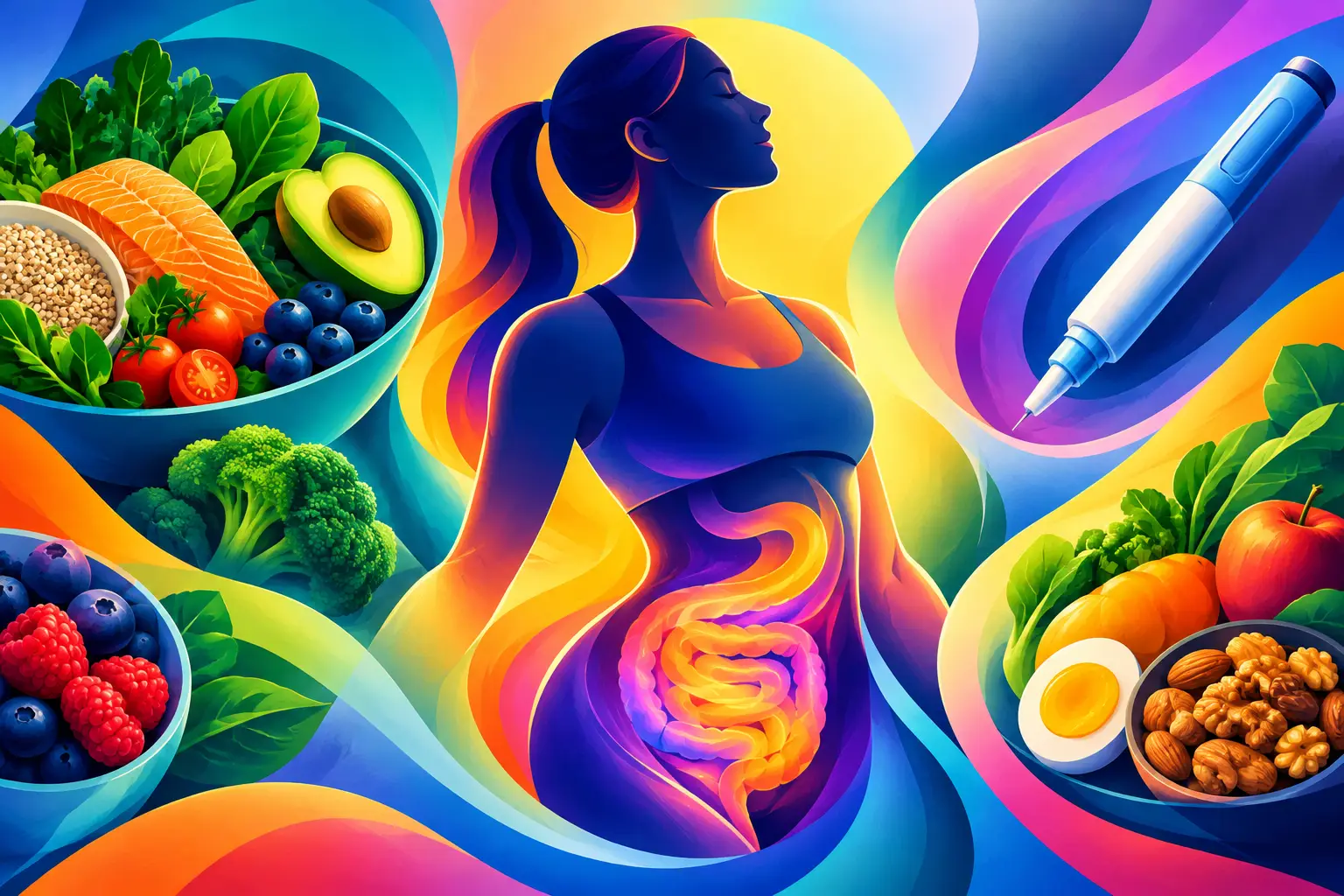
A smaller appetite can feel like a welcome change after years of struggling with hunger and weight. But when GLP-1 medication makes every bite count, food quality matters more than ever. The best foods during GLP-1 treatment help you meet your nutritional needs in smaller portions, protect lean muscle, support steady energy, and make common digestive side effects easier to manage.
Semaglutide and tirzepatide can be powerful tools within a physician-supervised weight-loss plan. They are not meant to replace nourishment. Your appetite, dose, activity level, health history, and treatment response all influence the right eating plan, which is why a personalized approach delivers better comfort and more sustainable results than a restrictive diet.
Why Food Choices Change on a GLP-1 Medication
GLP-1 medications work in part by slowing how quickly food leaves the stomach and by helping you feel full sooner. That can make large meals, rich foods, and fast eating uncomfortable. Some patients notice nausea, constipation, reflux, bloating, or low energy, especially when beginning treatment or increasing a dose.
The goal is not to eat as little as possible. The goal is to build smaller, satisfying meals that provide protein, fiber, fluids, and essential nutrients. This approach supports healthy weight loss while helping you maintain the strength and confidence to stay active.
Best Foods During GLP-1 Treatment
Start With Protein at Every Meal
Protein should be the anchor of your plate because it supports lean muscle while you lose weight. Maintaining muscle matters for strength, mobility, metabolism, and the toned, healthy look many patients want as their body changes.
Choose foods that feel easy to tolerate and fit your preferences. Eggs, Greek yogurt, cottage cheese, chicken, turkey, fish, shrimp, tofu, tempeh, edamame, lean beef, and beans can all work well. A simple breakfast of eggs with fruit, or Greek yogurt with berries, may be more manageable than a large meal first thing in the morning.
If a full serving feels like too much, divide it. Have half a chicken-and-vegetable bowl at lunch and save the rest for later. A protein shake can be a convenient option on days when appetite is particularly low, but it should support a balanced eating pattern rather than become your only source of nutrition.
Choose High-Fiber Produce, Gradually
Vegetables and fruit bring fiber, vitamins, minerals, and volume without requiring large portions. They also support regular digestion, which can be especially helpful when constipation becomes an issue during treatment.
Cooked vegetables are often gentler than large raw salads when your stomach feels sensitive. Try roasted zucchini, green beans, carrots, squash, spinach, asparagus, or cauliflower alongside a protein source. For fruit, berries, citrus, kiwi, melon, apples, and pears offer satisfying flavor and fiber.
There is a trade-off: increasing fiber too quickly can worsen gas, bloating, or cramping. Start with modest servings, increase gradually, and drink enough water. If you are prone to digestive symptoms, cooked produce and peeled fruit may feel more comfortable at first.
Add Smart Carbohydrates for Energy
Carbohydrates are not the enemy of medical weight loss. The right portions can help prevent fatigue, support workouts, and make meals more satisfying. The difference is choosing fiber-rich, minimally processed options instead of relying on sugary snacks or refined baked goods.
Good choices include oatmeal, quinoa, brown rice, sweet potatoes, beans, lentils, whole-grain toast, and high-fiber tortillas. Pair these foods with protein and vegetables to create a more balanced meal. For example, salmon with roasted vegetables and a small sweet potato offers protein, fiber, healthy fat, and lasting energy without feeling overly heavy.
Portion size still matters because GLP-1 treatment reduces appetite and slows digestion. A few bites of rice or half a sweet potato may be all you need at one meal. Pay attention to comfortable fullness instead of trying to finish what is on the plate.
Include Healthy Fats in Small Amounts
Healthy fats support hormone health, nutrient absorption, and satisfaction. Avocado, olive oil, nuts, seeds, and fatty fish such as salmon are excellent choices. A small amount goes a long way when appetite is reduced.
Very high-fat meals can be difficult for some people to tolerate on GLP-1 medication because they digest slowly. Fried foods, creamy sauces, heavy takeout meals, and large portions of cheese may worsen nausea, reflux, or fullness. You do not have to eliminate fat, but a modest amount is often more comfortable than an indulgent meal.
Prioritize Hydration Every Day
Dehydration can sneak up on patients who are eating and drinking less. It may contribute to headaches, constipation, dizziness, and fatigue. Keep water nearby, take regular sips throughout the day, and do not wait until you feel thirsty.
Plain water is an excellent choice, but sparkling water, herbal tea, and low-sugar electrolyte drinks can add variety if they agree with your stomach. If carbonated beverages cause bloating or reflux, choose still fluids instead. Soups, fruit, and water-rich vegetables also contribute to hydration.
Foods That May Be Harder to Tolerate
Every patient responds differently, but certain foods commonly cause discomfort during GLP-1 treatment. Large portions, fried foods, greasy meals, very spicy dishes, alcohol, and sugary desserts can trigger nausea, indigestion, or reflux. Highly processed snack foods may also be easy to nibble on without providing the protein and nutrients your body needs.
Alcohol deserves special attention. It can irritate the stomach, worsen dehydration, add calories without nutrition, and make it harder to recognize hunger or fullness cues. Ask your prescribing clinician what is appropriate for your medical history and medications.
Rather than creating a long list of forbidden foods, notice your personal patterns. If pizza leaves you uncomfortably full for hours, a smaller portion with a side of protein and vegetables may work better. If raw broccoli causes bloating, try cooked green beans or roasted squash. Your plan should be realistic enough to support lasting progress.
A Simple Way to Build GLP-1-Friendly Meals
A practical plate does not need to be complicated. Begin with protein, add a colorful vegetable or fruit, then include a small serving of a high-fiber carbohydrate or healthy fat based on your appetite and activity level.
For breakfast, try an egg scramble with spinach and a slice of whole-grain toast. For lunch, a turkey roll-up with cucumber, berries, and a small handful of nuts may be satisfying. Dinner could be grilled fish, roasted vegetables, and quinoa. If you need a snack, Greek yogurt, cottage cheese with fruit, an apple with nut butter, or a cheese stick with crackers can offer more staying power than chips or candy.
Eat slowly, take small bites, and pause between them. Stop at the first sign of comfortable fullness, even if food remains. Saving leftovers is not wasteful – it is a practical way to honor your body’s new cues.
When Symptoms Need More Than Food Changes
Mild digestive changes can occur with GLP-1 medications, particularly early in treatment. Smaller meals, simpler foods, hydration, and avoiding rich meals often help. However, severe or persistent vomiting, intense abdominal pain, inability to keep fluids down, signs of dehydration, or symptoms that concern you should be addressed promptly with your prescribing medical provider.
Do not adjust your dose, stop medication, or add supplements for side effects without clinical guidance. Physician supervision helps ensure that your nutrition plan and medication schedule continue to support your health, comfort, and goals.
At Advanced Skin & Weight Loss, medically supervised GLP-1 programs are designed around more than a weekly injection. They are built around individualized care, progress monitoring, and practical support that helps patients make changes they can maintain.
The best eating plan is the one that nourishes you, feels manageable, and evolves with your treatment. Give yourself permission to start simply: drink water, choose protein first, add produce, and listen closely to your body. Small, consistent choices can help you feel stronger and more confident as your results take shape.